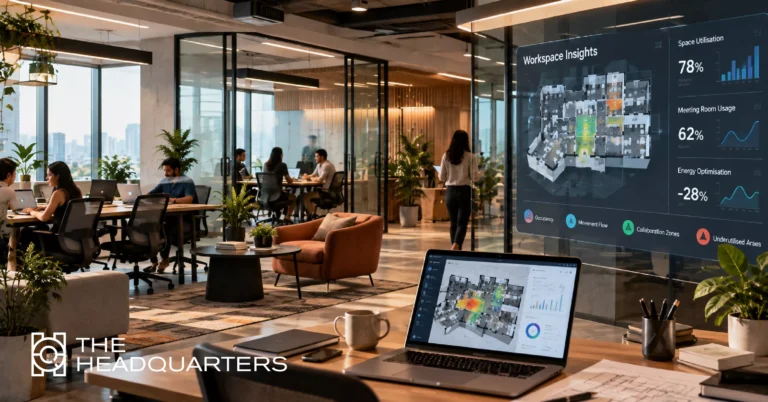
Hybrid work didn’t simplify how teams get things done – it made productivity a design problem rather than a discipline problem. Teams that figure out the right structure genuinely perform better than fully in-office teams did a few years ago. Teams that don’t tend to drift into a version of hybrid that costs more than it delivers. Here’s what the data and practical experience actually point to.
Productivity Isn’t About Hours Logged Anymore
The old proxy for productivity – hours spent at a desk – stopped meaning much once attendance became optional. What replaced it is harder to measure but easier to feel: whether meaningful work actually gets done, whether collaboration happens when it needs to, and whether people can do focused work without constant interruption regardless of where they’re sitting.
This shift matters because it changes what a company should actually be optimizing for. A hybrid team spending five days a week fully remote isn’t automatically less productive than one commuting daily – but it is more vulnerable to specific failure points: unclear communication norms, meeting fatigue from over-scheduling to compensate for lost hallway conversations, and a blurred line between work and home that erodes focus over time rather than protecting it.
Structure the Week Around Purpose, Not Habit
The most common mistake hybrid teams make is treating in-office days as a default rather than a decision. If Tuesday is “office day” simply because it always has been, with no clear reason tied to what actually needs to happen that day, the office visit becomes a routine rather than a genuine productivity lever.
A more effective approach ties in-office time to specific work types: collaborative planning sessions, client meetings, onboarding new hires, or cross-team problem-solving that genuinely benefits from being in the same room. Deep, focused individual work – the kind that suffers most from interruption – often performs better remotely, provided the team has agreed on norms that protect it (no meetings during certain blocks, clear “do not disturb” signals, realistic response-time expectations).
Fix the Meeting Culture Before Fixing Anything Else
Hybrid teams tend to over-meet, not under-communicate. When people aren’t sharing physical space, the instinct is to schedule more check-ins to compensate – but this often backfires, fragmenting the day into a series of interruptions rather than protecting time for actual work.
A more productive pattern: default to asynchronous updates (written status, shared documents, recorded walkthroughs) for anything that doesn’t genuinely require real-time discussion, and reserve live meetings specifically for decisions, brainstorming, or relationship-building that async communication can’t replicate. Teams that make this shift typically report both fewer meetings and better decisions, since the meetings that remain carry more weight and preparation.
Give People a Genuine Reason to Choose the Office
When office attendance is optional, the workspace itself has to earn the commute. A functional but forgettable floor with rows of desks doesn’t compete well against the convenience of working from home. This is part of why Hyderabad has seen strong demand for coworking spaces and managed office spaces that genuinely invest in the environment – proper meeting rooms, reliable infrastructure, spaces designed for both focused work and real collaboration, not just a desk and a chair.
For teams weighing whether to maintain a traditional office lease or shift toward a more flexible model, this is a practical consideration: a well-designed, genuinely useful workspace in Hyderabad draws people in on the days that matter, rather than becoming a space people avoid out of habit rather than choice.
Protect Focus Time Deliberately, Not Accidentally
Deep work doesn’t happen by accident in a hybrid environment – it has to be protected on purpose. Teams that perform well tend to build explicit norms around this: blocking calendar time for focused work and treating it as seriously as a client meeting, setting clear expectations around response times so people don’t feel obligated to be instantly available, and encouraging managers to model these boundaries themselves rather than just announcing them.
This matters especially for teams splitting time between home and a shared office, since the two environments genuinely serve different purposes. Home often supports uninterrupted individual work well; a well-run office supports collaboration, mentorship, and the kind of spontaneous problem-solving that’s genuinely harder to replicate remotely. Productive hybrid teams lean into this distinction rather than trying to make every day and every location do everything.
Measure What Actually Matters
Finally, productivity measurement needs to catch up with how hybrid teams actually work. Metrics built around visible presence – hours online, messages sent, time at a desk – measure activity, not output. Teams that shift toward outcome-based measurement (work completed, quality of deliverables, client and stakeholder satisfaction) tend to make better decisions about what’s actually working, rather than optimizing for the appearance of busyness.
Conclusion
Maximising productivity for remote and hybrid teams isn’t about forcing a return to old habits or fully abandoning structure altogether – it’s about being deliberate where teams used to rely on default routines. Structuring the week around genuine purpose, fixing meeting culture, protecting focus time, and choosing a workspace that actually earns attendance all compound into real productivity gains over time. Explore The Headquarters’ coworking and managed office spaces across Hyderabad’s leading business corridors to find a workspace built to support how your hybrid team actually works.